
fundahope® is growing fast thanks to the trust of the fundraisers' organizers and donors.

Total Raised

Total Campaigns

Total Donations
We got your back in the middle of emergencies: Start a campaign now or donate!
Start a Campaign






Start Your Campaign
Share With Friends
Manage Donations

I would like to thank you for this platform. My father underwent CABG surgery and is in good health, thanks to your efforts.


I would like to extend my gratitude to everyone at Fund a Hope for giving us an opportunity to go from "surviving to thriving".
And after working with Fund a Hope over the past few months, I am happy to say that all of our dealings have been respectful, transparent and followed ethical business practices. The campaign was a success and a great help for our work here.

I want to thank this platform for the opportunity it gave me to raise funds for my cause. It really helped me and I got positive reviews about it from my donors. I am so glad you are running this website which is helping changing people's lives.
Thank you again, it's really nice to have such a friendly platform with a professional and responsive team
Proud to have fundahope as a reliable platform! Good job!
A simple click to donate throughout the world thanks to fundahope!
We were very happy with the cooperation with fundahope and will definitely create a new campaign once we have one.
Looking forward to our next fundraising effort!
Nous renouvelons nos remerciements pour le support que Fundahope nous a prêté. Leur support continu nous encourage à poursuivre notre engagement et notre mission éducative.
fundahope is truly an amazing platform for NGOs to reach out to donors internationally - without any redtapes and financial constraints. So, we were able to focus on the cause itself and raise donations in a user friendly manner.
Thank you for a successful partnership - we will always count on you for funding and call for donations!
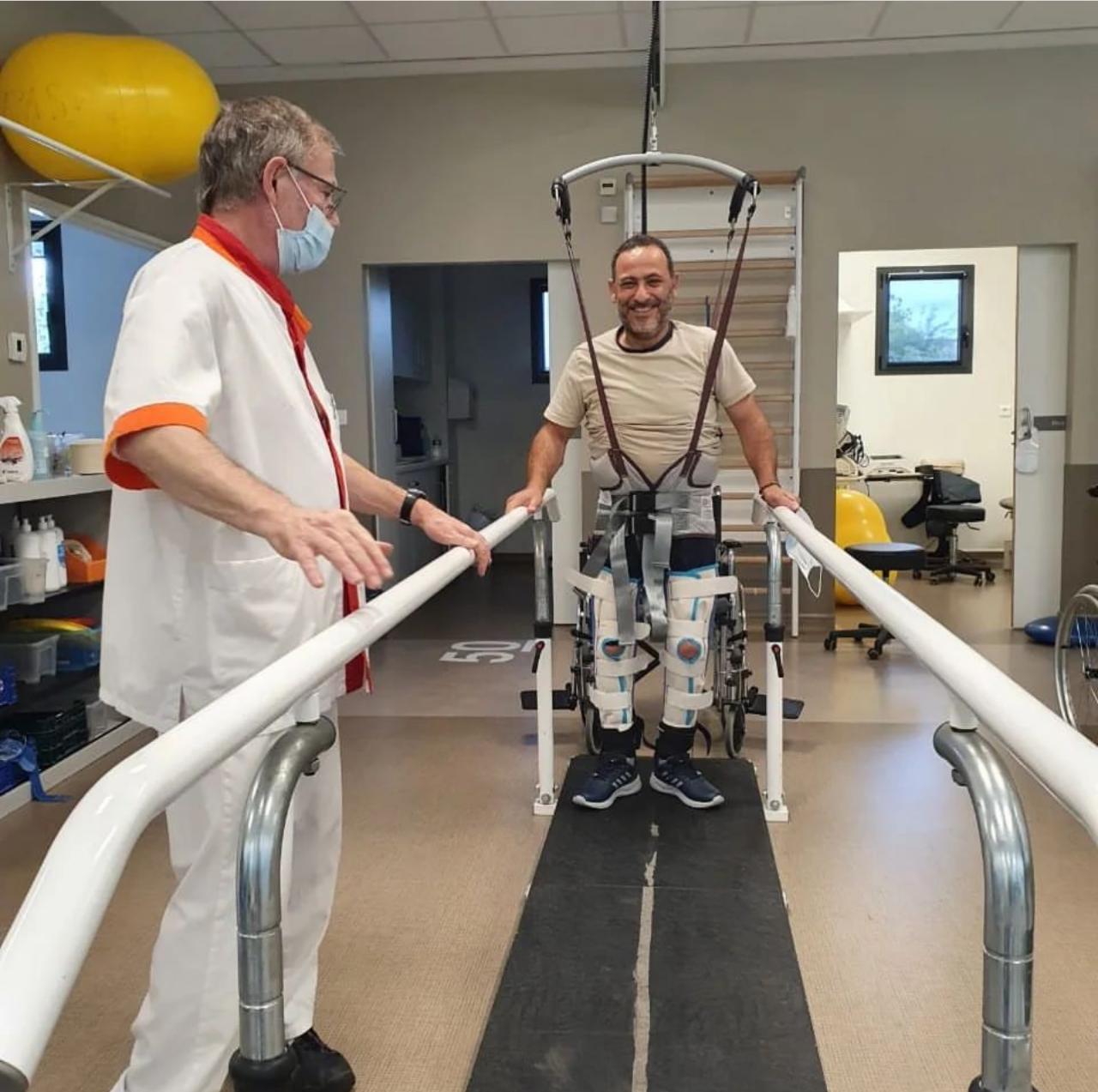
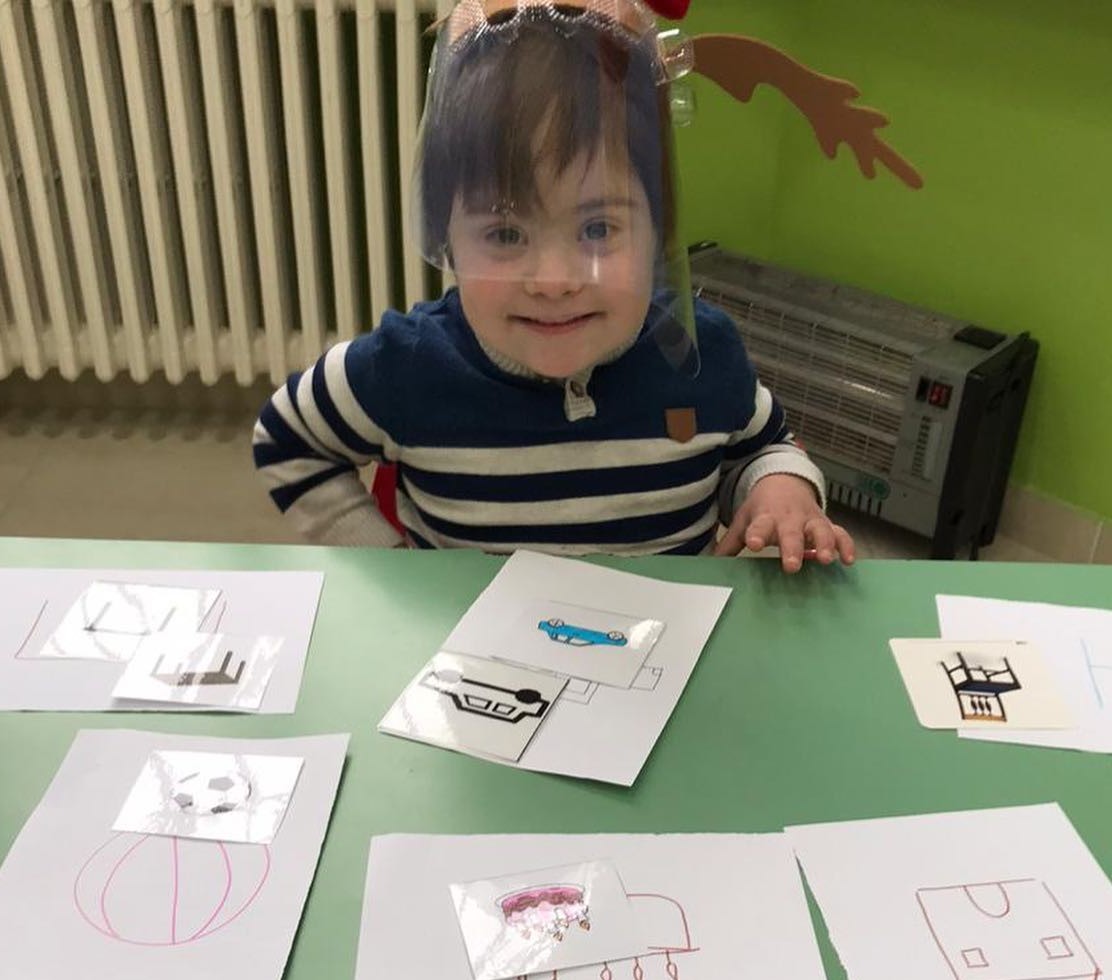
This campaign tells the story of Nadim, who experienced a life-altering accident when he fell from a scaffold. As a result, his daily tasks became extremely challenging. Despite facing financial difficulties, there was a glimmer of hope when Nadim was approved for a trial treatment in France that could restore his autonomy. However, the cost of the treatment was approximately $140,000. The campaign successfully raised $51,085, which greatly influenced Nadim and his family. Not only did your contributions give Nadim hope, but they also provided hope to a whole community of individuals with special needs.
Acsauvel, an NGO, successfully launched a campaign to support children with special needs in Deir Tamish. Despite challenges including delayed government support, and the pandemic, the campaign has greatly impacted the lives of 125 individuals by providing education, well-being, and support.
Every contribution, whether through donations or sharing the request, was highly valued in making a difference and sustaining the employment of teachers and therapists.
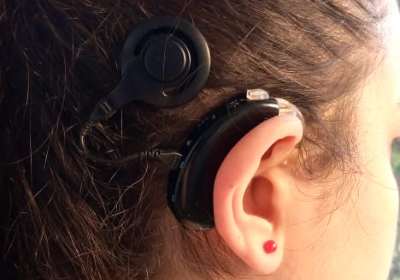
This heartfelt plea for support shares the story of Nancy, who has had hearing issues since childhood. Her parents previously raised funds for her life-changing cochlear implant surgery, but unfortunately, the device has stopped working after over 15 years.
With Nancy's father working overseas, her family was in desperate need of support.
Contributions, no matter their size, made a significant difference in restoring Nancy's hearing and allowing her to pursue her dreams.
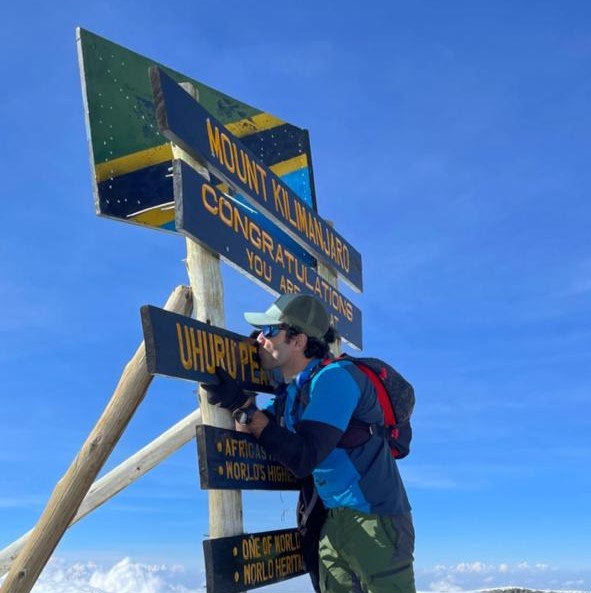
Rami challenged himself to run up and down Kilimanjaro (5895 km) in 14 hours. This time, he ran to support Chef Tina Wazirian with food distribution throughout his country. With your donations, we were able to make that difference!
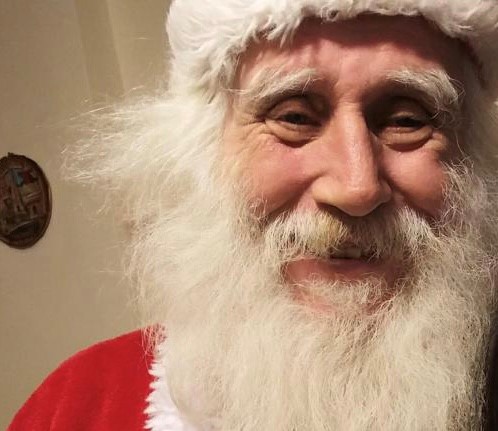
Thanks to the compassionate individuals like yourself and your generous donations, Jean underwent the crucial surgery he desperately needed.
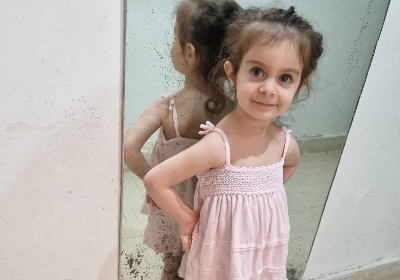
Thanks to the urgent campaign, we successfully raised almost the entire amount needed to support the critical condition of a 3-year-old girl. Dialysis and ICU were required for her treatment. The initial amount needed was $10,000. Natasha was diagnosed with Hemolytic Uremic Syndrome (HUS).
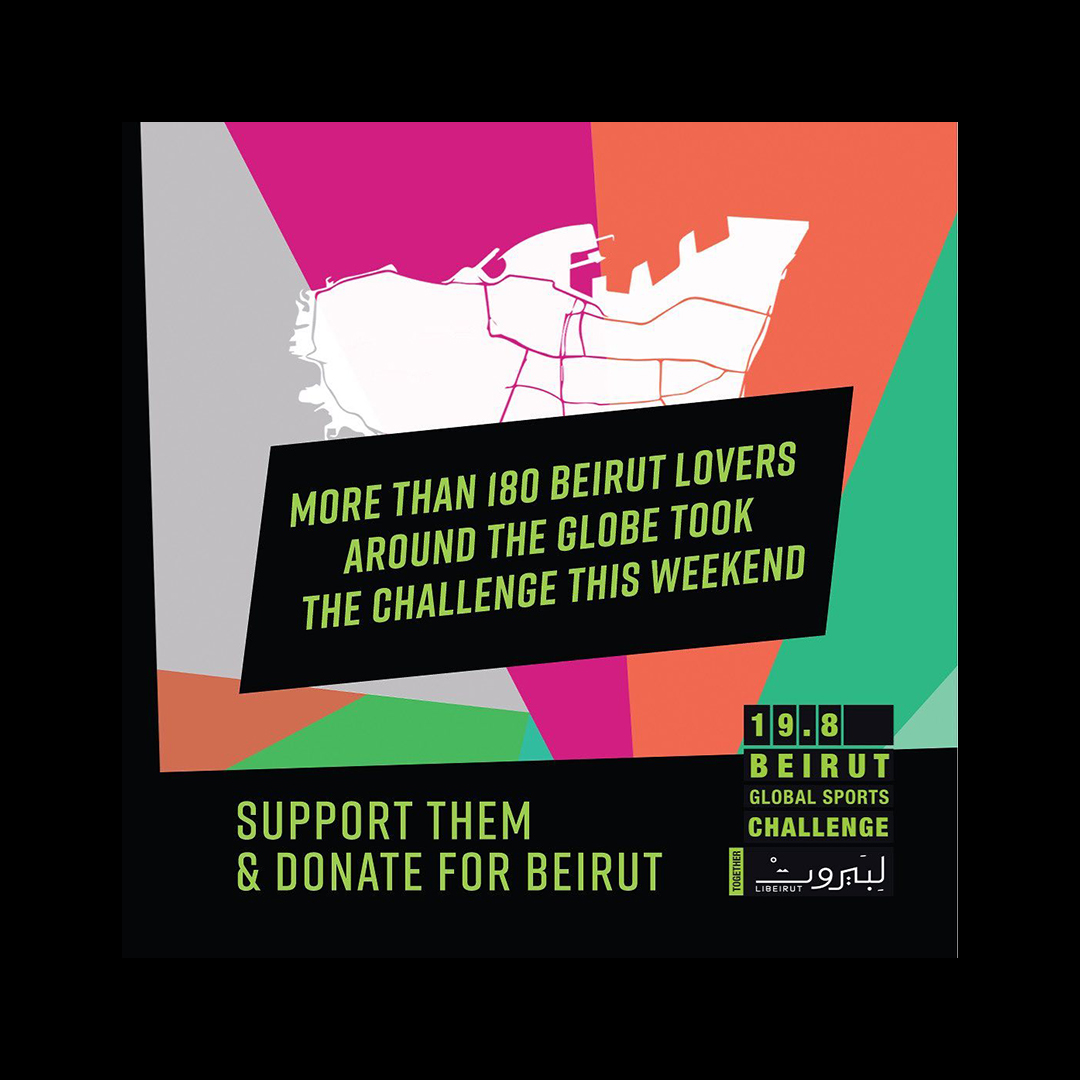
People around the world were invited to practice the sport of their choice over a minimal target of 19.8 km, lapses, summits, etc..,
The campaign was able to collect 60,285$!
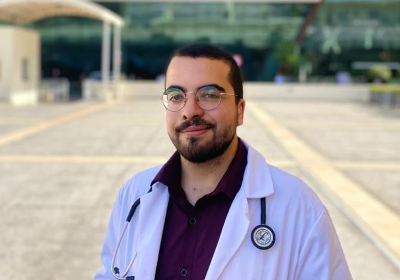
Rawad El Hayek, a 24-year-old man, was born with a congenital syndrome called "hemifacial microsomia" which resulted in partial facial paralysis and unilateral hearing loss. Throughout his academic and personal life, he faced a lot of challenges due to his hearing loss in his right ear.
In the midst of the worst economic crisis happening in his country, Rawad successfully started a fundahope crowdfunding campaign to implant a bone-anchored hearing aid that would help him regain his hearing sense in his right ear. The campaign was successful in raising the major amount needed for the implant.
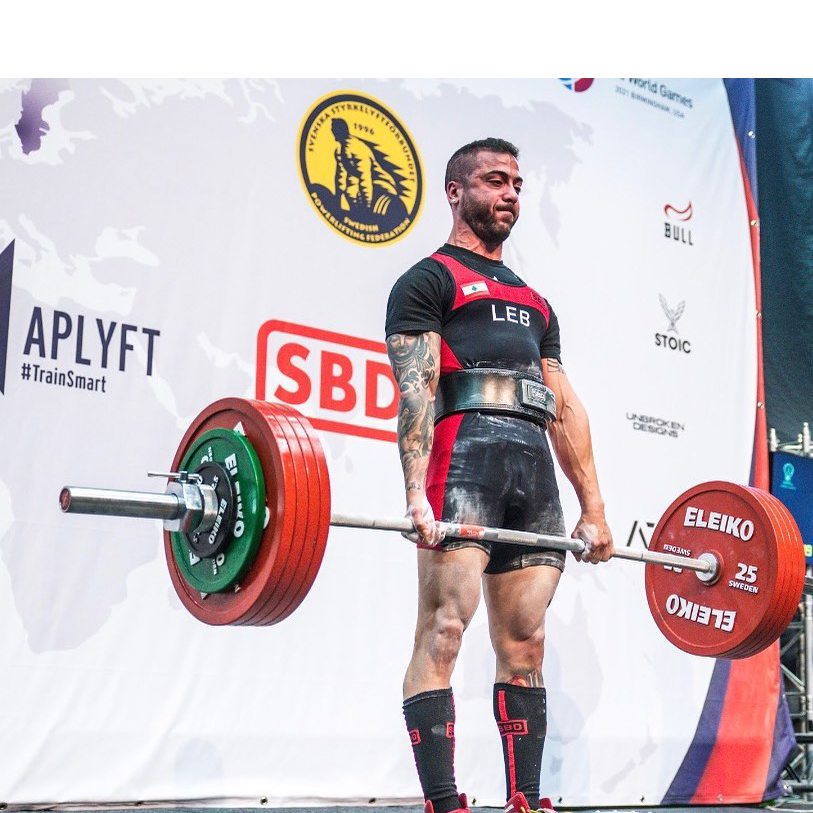
Thanks to fundahope, Shiva "the unbreakable" Karout, a professional powerlifter with many international championships under his belt, represented his country in the IPF World Powerlifting Championship in Minsk (Belarus) the past September.
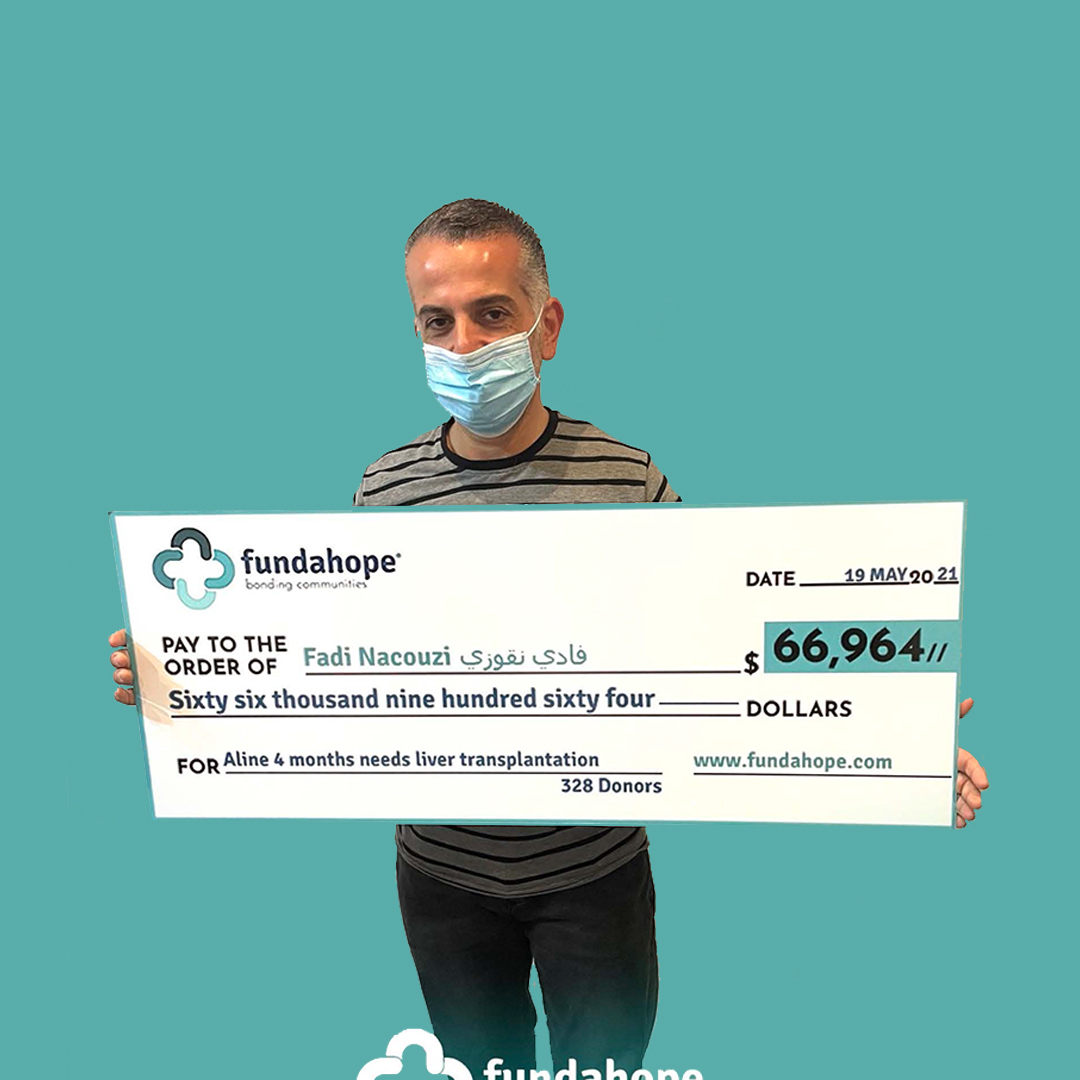
Mr. Fadi Nacouzi received the net sum of $66,964 received thanks to fundahope's donors.
Baby Aline Makari will be able now to do her liver transplantation. Thank you for saving lives!
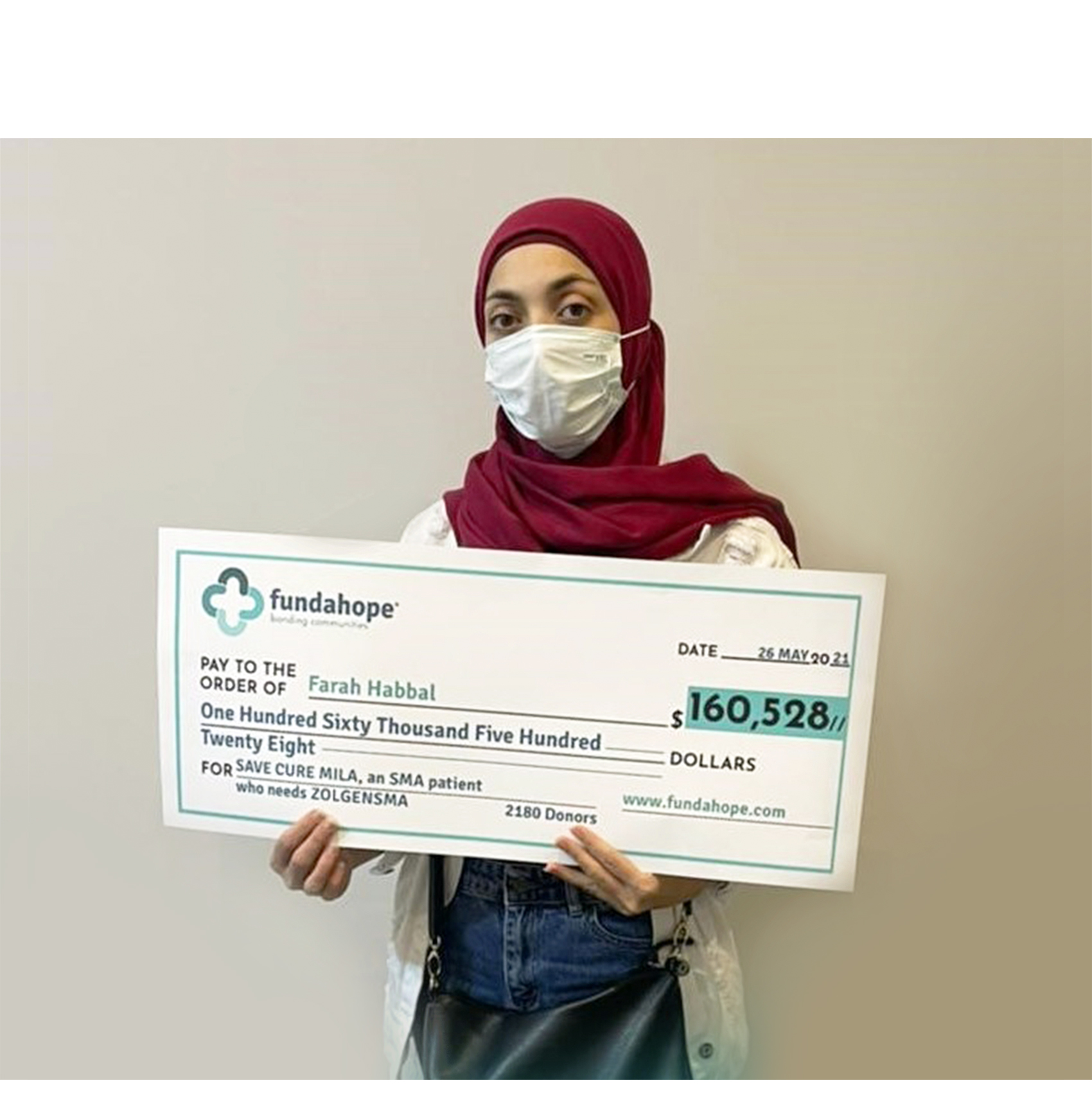
fundahope delivered to Mrs. Farah Habbal the net sum of $160,528 received through fundahope.
Thank you for playing a role in saving Baby Mila, and giving her a new chance in life.
All Rights Reserved 2026 fundahope® | Terms And Conditions | Privacy Policy




Designed & Developed by Hellotree